

Saskatoon, Canada
Upscale Business Growth Program
A day of hands-on training built around real-world deal experience, delivered in partnership with SREDA.

You have probably heard of CLOs (Collateralized Loan Obligations). Now, meet their private equity cousin: the CFOs, or Collateralized Fund Obligations.
CFOs are sophisticated financial structures that collateralize private equity fund interests. Here’s how they work:
1. Gather the Assets
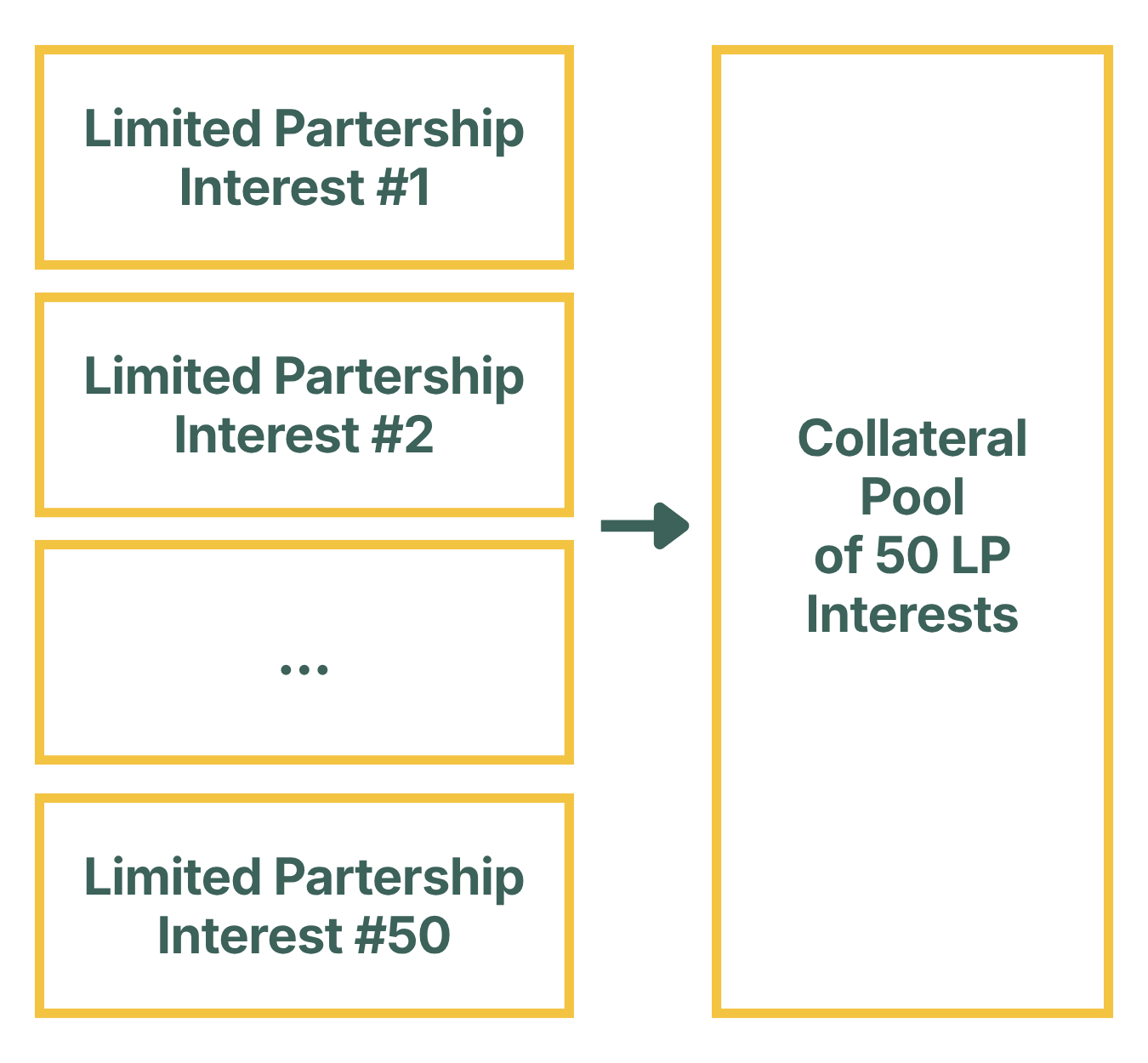
A CFO issuer acquires a diversified portfolio of Limited Partnership (LP) interests, representing stakes in multiple private equity funds.
2. Create the Collateral Pool
These LP stakes are bundled together in a Pool of LP interests.
The example below illustrates how 50 LP interests are bundled together to create a Collateral Pool.
3. Slice and Dice (Tranching)
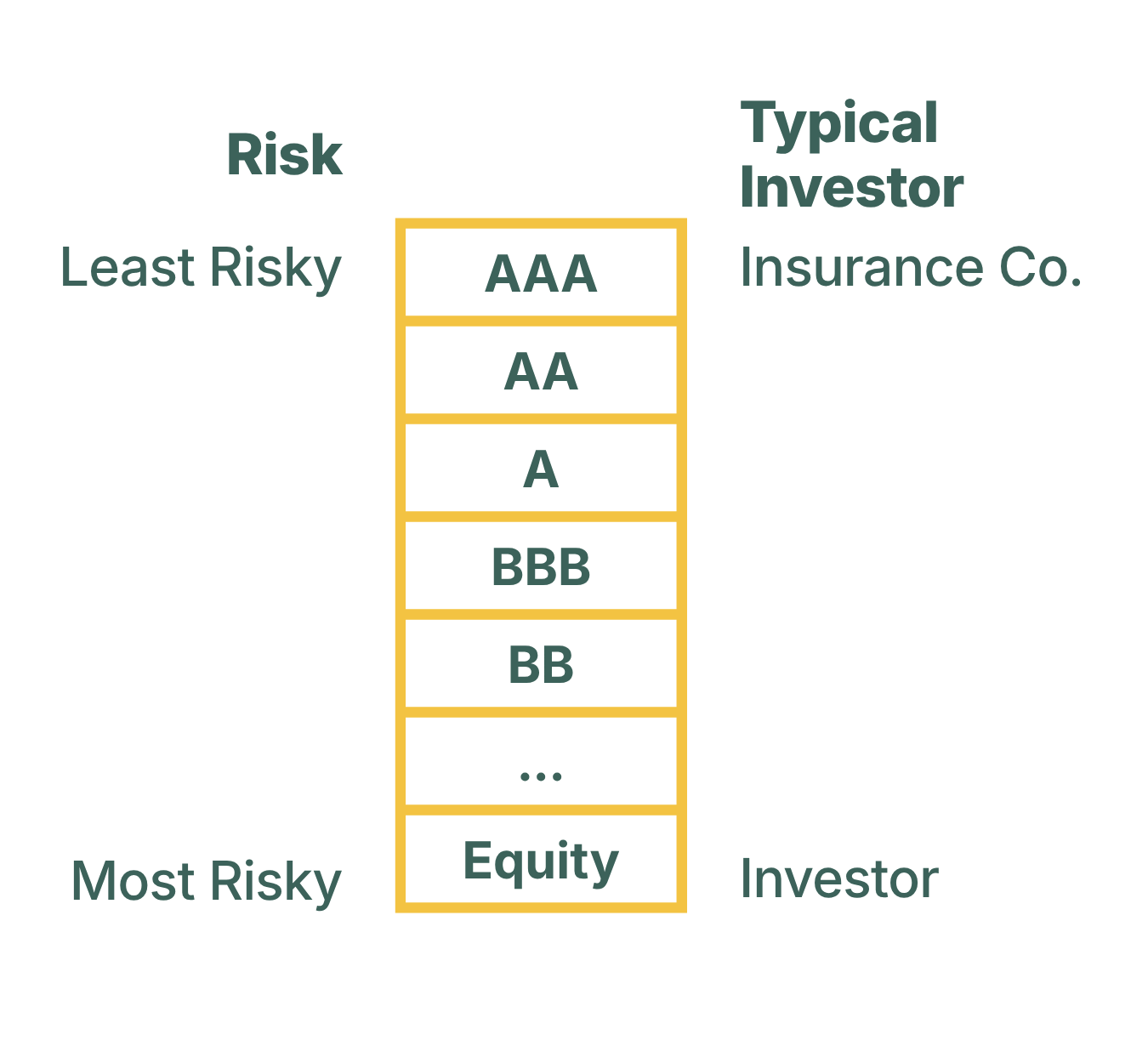
The LP interests are divided into tranches:
The Critical Risk: Leverage on Leverage on Leverage
The challenge is not just complexity, it’s stacked leverage:
CFOs can deliver attractive structured returns, but in downturns, the inherent leverage magnifies losses.
The key question: Do the potential returns truly justify the compounded risks?



Build the skills and credibility to stand out in private equity through our certificate which includes 70+ videos, 200+ quizzes, 40+ problems, and a comprehensive exam.
Explore Certificate


Get started today before this once in a lifetime opportunity expires.